
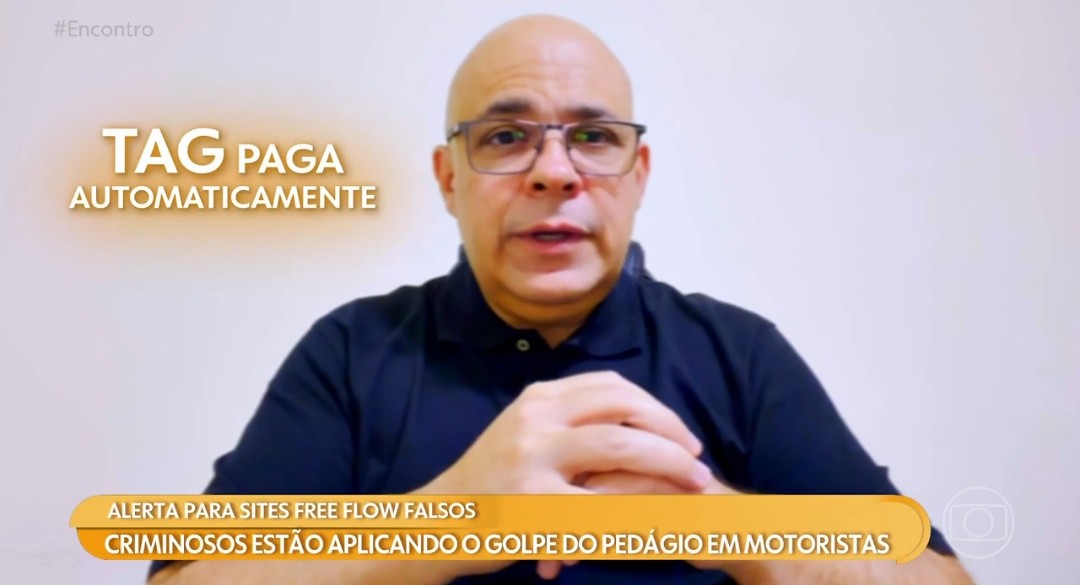
The convenience of "Free Flow" tolling—which allows drivers to travel on highways without stopping at toll booths—has also opened the door to new types of fraud.

Criminals are creating fake websites that mimic legitimate payment platforms to deceive drivers, stealing both their money and personal information.

The scam operates through webpages designed to look like official toll payment channels. For instance, when searching for how to pay an outstanding toll, a driver might stumble upon a fraudulent site, make a payment, and inadvertently send their personal data directly to the criminals.

This issue was highlighted on the television program *Encontro com Patrícia Poeta*, which featured Marcelo Nagy—a partner at STWBrasil and a cybersecurity expert—explaining how this type of fraud occurs and what precautions drivers should take.

This situation underscores the importance of verifying the authenticity of a website before making any payment. You should exercise caution regarding suspicious web addresses, links received via messages, and pages encountered through advertisements or search engine results. Whenever possible, always use the official channels provided by the highway concessionaire.

After all, a website may appear legitimate, but that does not guarantee it is safe. In a digital landscape increasingly used for everyday services and transactions, knowing how to spot signs of fraud is essential for protecting your personal data and your money.

Click here to watch Marcelo Nagy’s full appearance on *Encontro com Patrícia Poeta* and learn more about the "Free Flow" toll scam involving fake payment websites.